
Quick Summary
Texas weather—especially in New Caney, Kingwood, and Montgomery County—puts constant stress on fences due to heat, humidity, storms, and shifting soil.
- Best low-maintenance option: Vinyl fencing
- Best for budget + durability: Chain link fencing
- Best for privacy: Wood fencing (cedar or pressure-treated pine)
- Best for security and appearance: Ornamental iron fencing
- Most important factor: Proper fence installation matters more than material
Quick Facts: Fence Performance in North Houston
- High humidity increases risk of rot, mold, and rust
- Clay soil causes post shifting and leaning fences
- UV exposure leads to fading, cracking, and warping
- Storms test structural strength and wind resistance
- Proper installation can extend fence life by 5–10+ years
Why Texas Weather Damages Fences Faster
In Montgomery County and North Houston, fences deal with multiple stress factors at the same time:
- Humidity: Promotes wood rot and metal corrosion
- UV Exposure: Breaks down materials over time
- Heavy Rain: Saturates soil and weakens post stability
- Expansive Clay Soil: Expands when wet, shrinks when dry—causing movement
- Storms & Wind: Add pressure to panels, rails, and gates
This combination makes material selection and installation quality equally important.
Best Fence Materials for Texas Weather
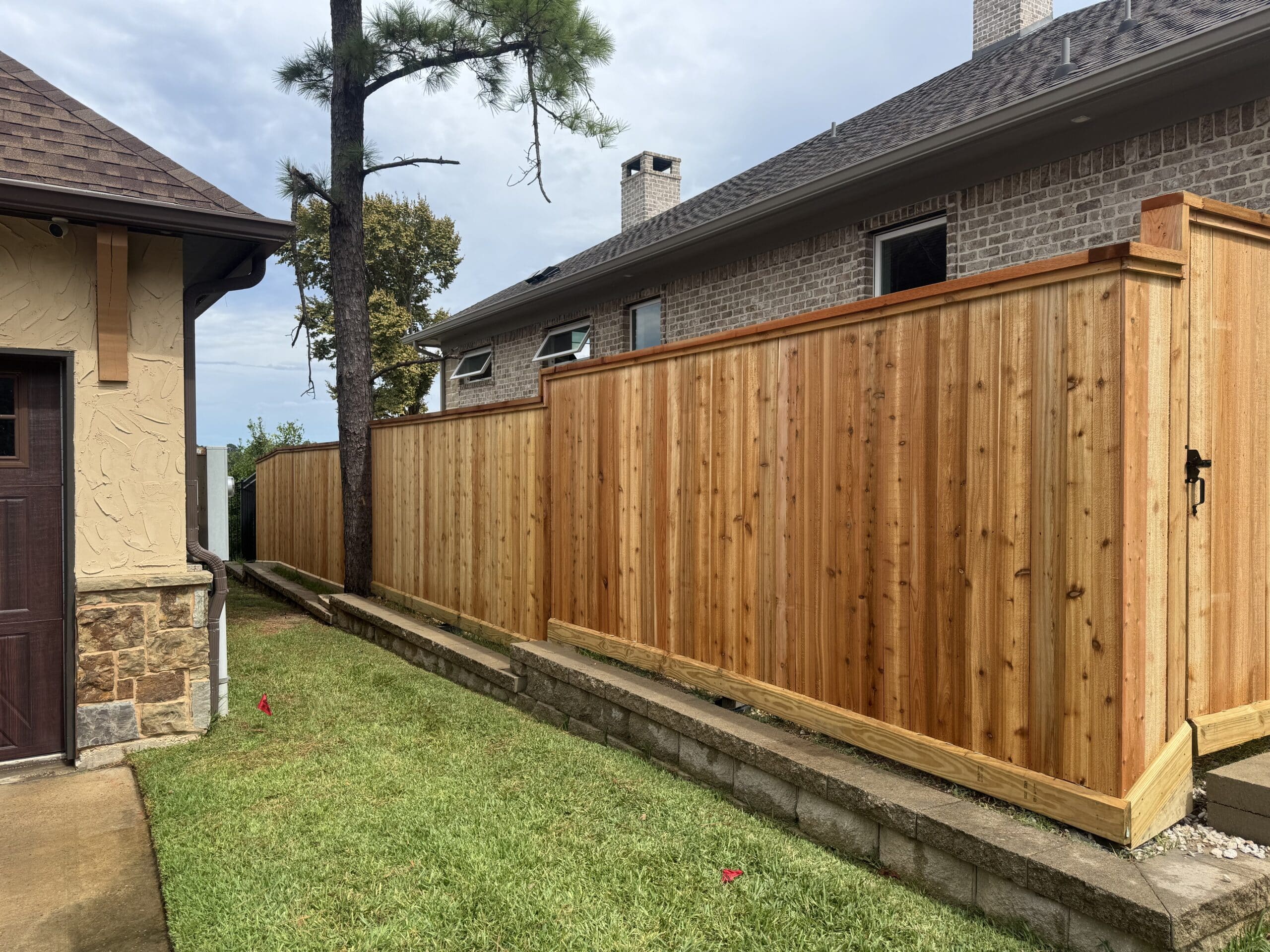
1. Wood Privacy Fences (Cedar & Pressure-Treated Pine)
Wood fencing remains a top choice in Kingwood neighborhoods due to HOA compatibility and privacy.
Best for: Privacy, traditional appearance, customization
Pros
- Natural look that fits residential areas
- Flexible design options (height, style, layout)
- Easier repairs compared to other materials
Considerations in Texas
- Requires sealing or staining every few years
- Can warp or rot without proper treatment
- Post installation depth is critical in clay soil
Cedar vs. Pressure-Treated Pine
- Cedar: Naturally resistant to insects and moisture
- Pressure-treated pine: Lower cost, but needs more upkeep
Expected lifespan: 15–20+ years (with proper installation)
2. Vinyl Fencing (Low Maintenance Option)
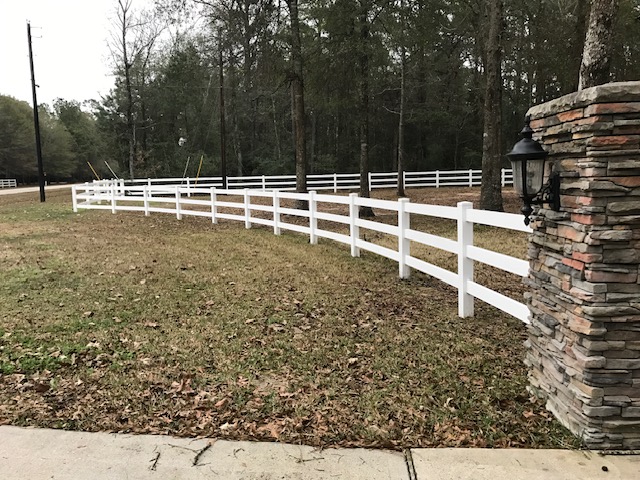
Vinyl fencing performs well in humid climates like New Caney.
Best for: Homeowners who want minimal upkeep
Pros
- Moisture-resistant (won’t rot or absorb water)
- No painting or staining required
- Retains color over time
- Clean, consistent appearance
Considerations
- Higher upfront cost
- Can expand/contract in extreme heat
- Repairs may require full panel replacement
Expected lifespan: 20–30 years
3. Chain Link Fencing (Storm-Resistant & Cost-Effective)
Chain link is one of the most durable choices for Texas storms.
Best for: Budget-conscious projects, large properties
Pros
- Allows wind to pass through (reduces storm damage)
- Very low maintenance
- Long-lasting and cost-effective
Common uses
- Backyard enclosures
- Commercial properties
- Acreage and rural land
Expected lifespan: 20+ years
4. Ornamental Iron Fencing (Security + Curb Appeal)
Ideal for homeowners who want both security and visual appeal.
Best for: Front yards, driveways, security-focused properties
Pros
- Strong and durable
- High-end appearance
- Long lifespan with proper care
Important
- Requires protective coating to prevent rust in humid environments
Expected lifespan: 20+ years
5. Agricultural & Ranch Fencing (Rural Properties)
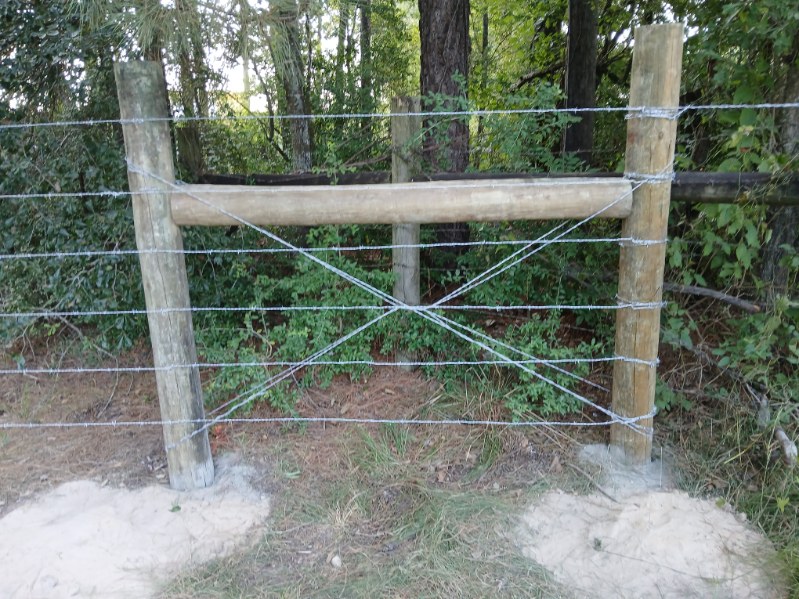
Common in Liberty County, Walker County, and surrounding rural areas.
Best for: Large land, livestock, property boundaries
Options include
- Field fencing
- Barbed wire
- Pipe fencing
Key factor: Proper post setting is essential due to full exposure to sun and wind
Fence Lifespan Comparison (Texas Conditions)
Material | Lifespan | Maintenance Level | Best Use Case |
Wood | 15–20+ years | Moderate | Privacy |
Vinyl | 20–30 years | Low | Low upkeep |
Chain Link | 20+ years | Low | Budget |
Ornamental Iron | 20+ years | Low–Moderate | Security |
What Matters Most: Fence Installation Quality
In North Houston, poor installation is one of the main reasons fences fail early.
Critical installation factors:
- Proper post depth (especially in clay soil)
- Correct concrete setting
- Drainage planning
- Structural bracing
- Reinforced gates
A properly installed fence can last significantly longer—even in harsh Texas conditions.
How to Choose the Right Fence for Your Property
The best choice of fence type depends on your priorities:
- Privacy: Wood fencing
- Low maintenance: Vinyl fencing
- Storm durability: Chain link
- Security + appearance: Ornamental iron
Also consider:
- Soil type
- Drainage
- Sun exposure
- HOA requirements